Huawei Guilty of Trade-Secret Theft in US Trial, Acquitted of Racketeering
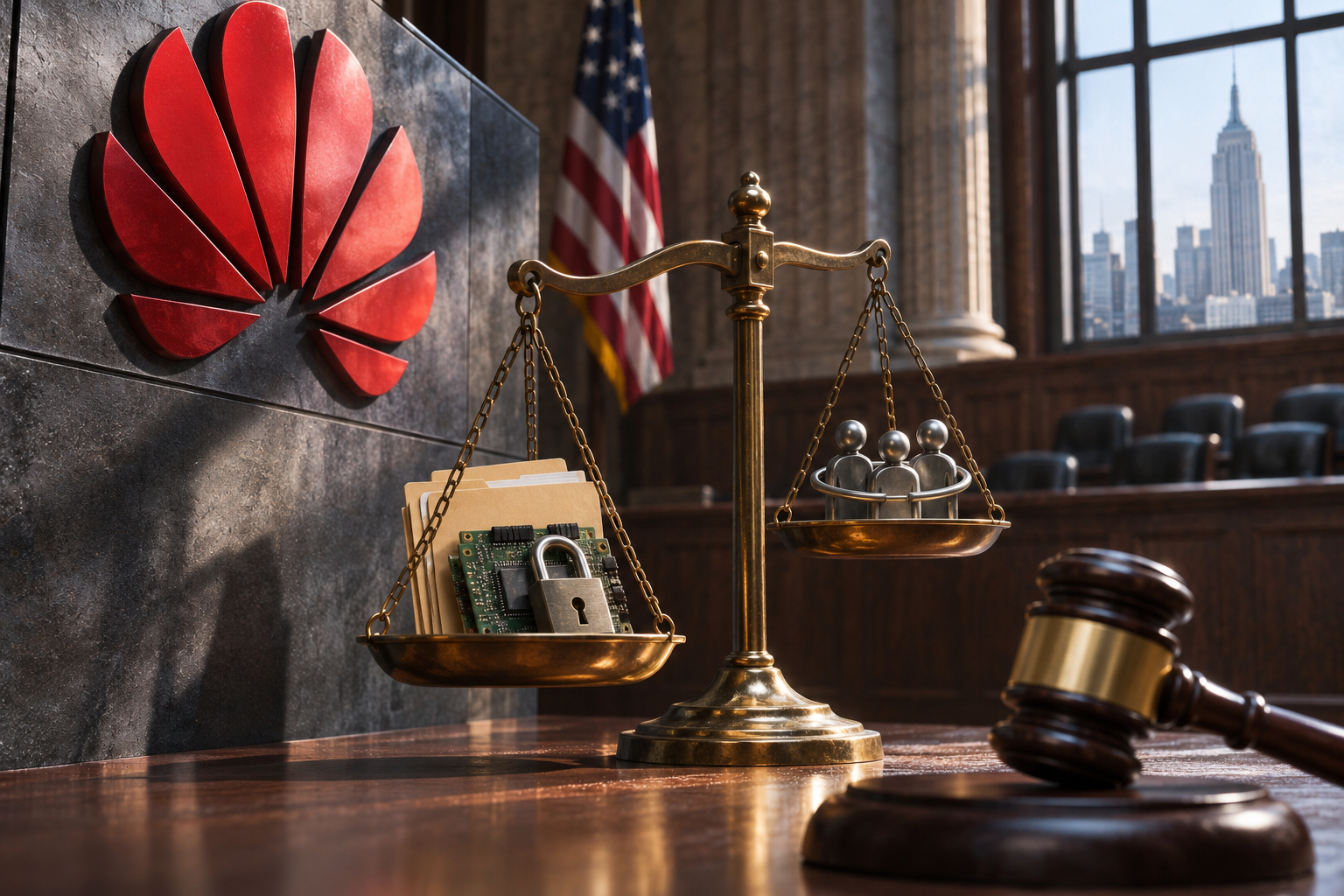
Huawei was convicted in a US trial over trade secrets and fraud, but jurors rejected the most serious racketeering charge against the company.
That split verdict is the central fact. Huawei was not cleared, yet the jury did not endorse the government’s broader criminal-racketeering theory. Treating the result as a blanket guilty verdict would erase the legal boundary the jury drew.
A conviction with a clear limit
Jurors found Huawei guilty of trade-secrets conspiracy and fraud, according to Al Jazeera. Those convictions establish liability tied to the alleged theft of trade secrets and related fraud.
But the jury acquitted Huawei of engaging in a criminal racketeering conspiracy. That was the most serious charge it faced.
The distinction matters because racketeering charges are designed to establish a wider pattern of coordinated criminal conduct. The acquittal means the verdict did not validate that broader allegation, even as it found the company guilty on other counts.
The verdict separates conduct from enterprise theory
A practical way to read the ruling is to separate the underlying conduct from the prosecution’s enterprise-level theory.
The trade-secret and fraud convictions support the first claim: the jury found Huawei criminally responsible on those charges. The racketeering acquittal limits the second: jurors did not find the evidence sufficient for the broader conspiracy allegation.
That is not a semantic difference. It shapes how the result should be described, how Huawei may respond, and what subsequent court actions could mean.
Months in a New York courtroom produced the split
BBC News independently reported the same two-part outcome and said the verdict followed a months-long trial in New York.
Independent confirmation strengthens confidence in the core structure of the decision: conviction on trade-secret-related offenses, acquittal on racketeering. It does not turn the result into a finding the jury did not make.
The next test is in the court record
The official verdict and subsequent court filings should clarify the precise counts, immediate consequences, and path toward sentencing or other remedies.
Huawei’s response will also matter. The company can point to the racketeering acquittal, but it still faces convictions tied to trade secrets and fraud.
For now, the durable headline is narrow but consequential: Huawei lost on trade-secret-related charges, while the government’s most expansive racketeering case did not survive the jury’s scrutiny.