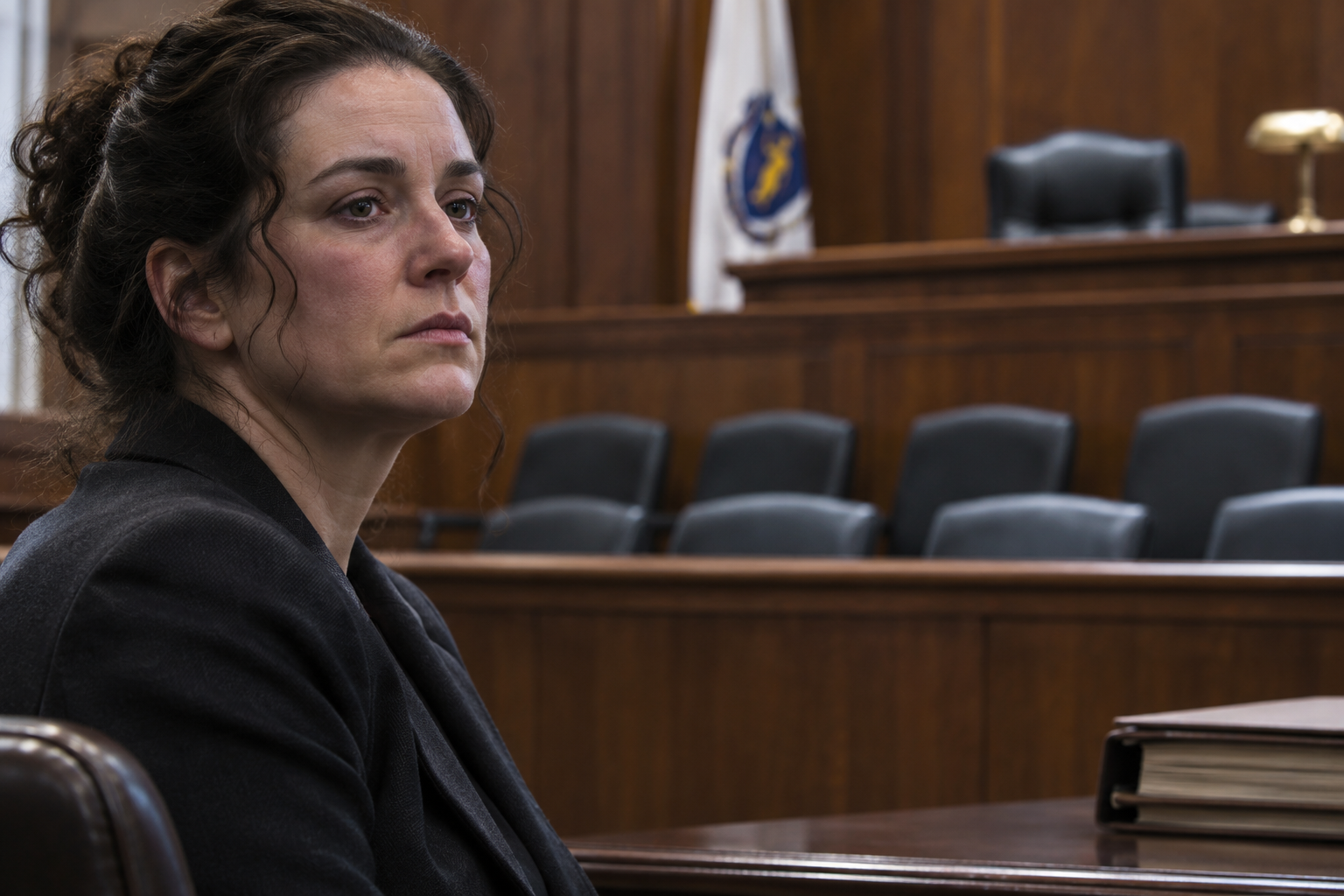
Lindsay Clancy Will Face a Second Trial After Jurors Deadlocked
Lindsay Clancy’s first trial ended without a verdict, but the question at its center has not gone away: whether she was criminally responsible for the deaths of her three children.
A Massachusetts judge has scheduled a second trial for late March, overruling prosecutors’ objections to setting the retrial. Clancy still faces three counts of first-degree murder. The new proceeding does not resolve the case; it returns it to the legal question the first jury could not answer unanimously.
The March Date Restarts the Central Test
The first trial ended in a mistrial after jurors failed to reach a unanimous verdict on criminal responsibility.
That distinction matters. A mistrial is not an acquittal, conviction, or judicial finding about Clancy’s mental state. It leaves prosecutors free to seek a conviction and gives the defense another opportunity to argue that insanity should bar criminal liability.
The March trial will put the same boundary before a new jury: whether Clancy’s mental state at the time of the killings met the legal standard that would excuse criminal responsibility.
The 11-1 Split Was Still a Deadlock
Eleven jurors favored acquittal on insanity grounds, while one did not. That is a powerful signal of how the first panel viewed the defense, but it was not a verdict.
The constraint is unanimity. In a criminal case, a strong majority cannot substitute for a unanimous decision. One juror’s disagreement was enough to prevent the case from ending.
That makes the first split relevant but incomplete evidence. It suggests the insanity question persuaded most of the panel; it does not establish how a different jury, hearing the case again, will weigh it.
Prosecutors’ Objection Adds Pressure Before Evidence Returns
Prosecutors objected to scheduling the retrial, and the judge nevertheless set it for late March. The reporting does not establish the grounds for that objection, so the immediate significance is limited: there is a live disagreement over the path and timing of the second trial.
The next filings and statements from each side will matter because they can reveal whether the dispute is chiefly about readiness, timing, legal strategy, or another issue not yet detailed in the available reporting.
A New Jury, Same Unsettled Boundary
The case now moves from an unresolved first deliberation to a new trial calendar.
The key verification points are concrete: whether the March date holds, what arguments prosecutors and defense attorneys say they will emphasize, and how the court frames any pretrial disputes. Until then, the most accurate reading is narrow. Clancy has not been cleared or convicted; she is scheduled to face a second trial after the first jury deadlocked on criminal responsibility.