G7 Starts an Emergency Oil and Diesel Release After Trump’s Export Threat
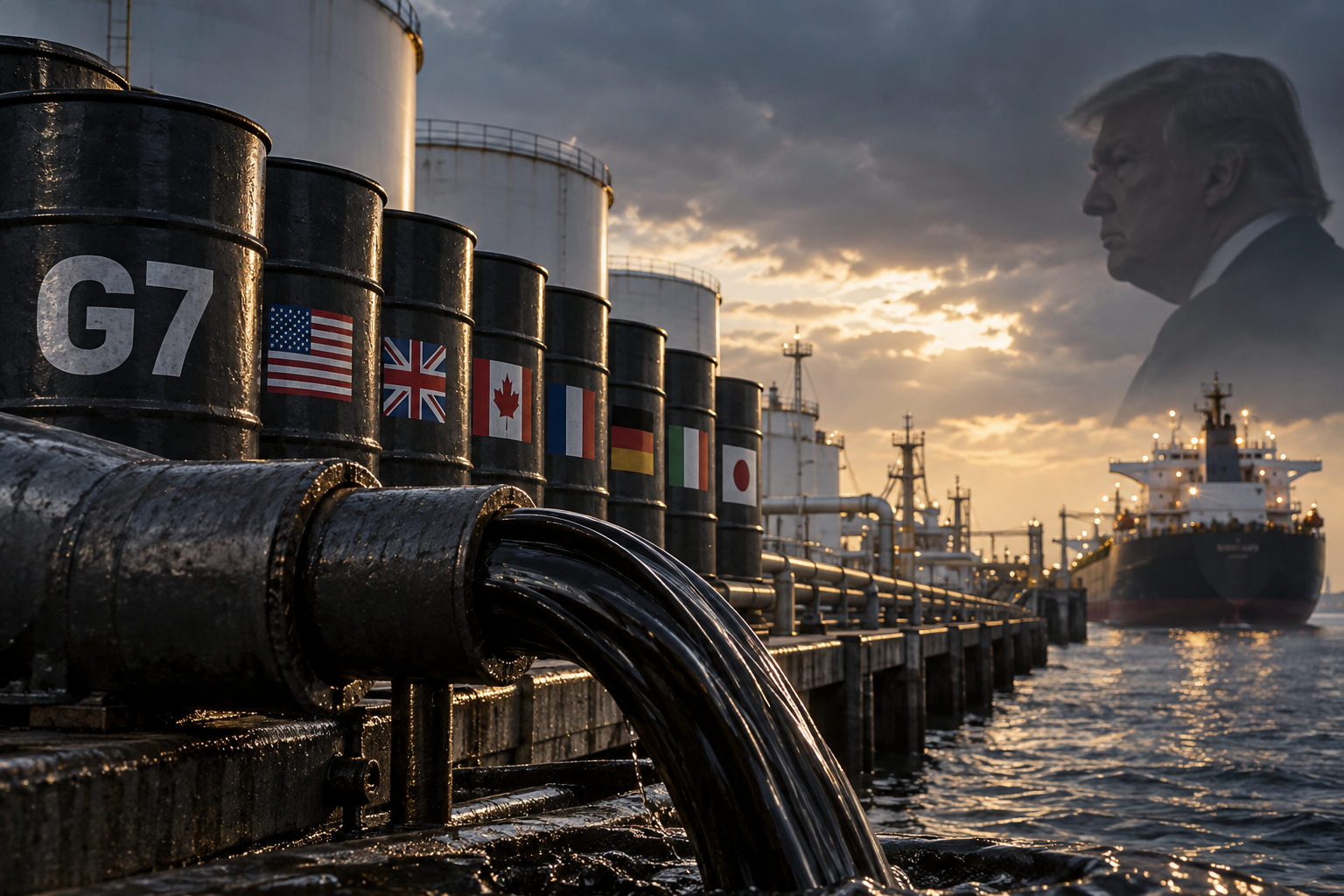
The G7 has moved from warning to intervention: leaders agreed to release up to 100 million barrels of emergency oil and diesel reserves immediately, seeking to contain a price surge and avert a deeper supply confrontation over US diesel exports.
The headline is significant, but its durability rests on execution. The group has announced a coordinated release planned across four months; it has not yet disclosed the country-by-country schedule or demonstrated that the barrels have reached commercial markets.
A 100 Million-Barrel Supply Signal
The intervention follows Donald Trump’s threat to cut off US diesel supplies, a prospect that intensified concern among European buyers already facing higher energy prices.
G7 leaders said the coordinated drawdown would begin immediately. The stated aim is to head off further price spikes, using strategic reserves to inject supply while governments manage the risk of a wider diesel disruption.
That makes this more than a routine reserve decision. Diesel is a core fuel for freight, industry, agriculture, and heating in parts of Europe. A threat to supply can move markets before a single shipment is interrupted.
The Four-Month Clock Is the Policy Choice
CNBC reported that the G7 plans to deploy the reserves over the next four months. That detail matters as much as the 100 million-barrel ceiling.
A one-day release would mainly shock expectations. A four-month drawdown is an attempt to sustain additional availability through a period of supply anxiety. It gives buyers time to adjust and gives governments room to negotiate or arrange alternatives.
But it also creates a constraint: the intervention can cushion a short-term squeeze without necessarily resolving the underlying geopolitical risk. The near-term test is whether enough volume arrives early in the program to affect diesel pricing and physical availability.
Markets Have Priced the Pledge, Not the Delivery
Oil prices moved lower following news of the planned release. That is the first signal that traders view coordinated action as credible enough to reduce the immediate risk premium.
It is not proof that supply conditions have changed on the ground.
The distinction is central: an announcement affects expectations; delivery affects inventories, refinery economics, and buyers’ actual access to fuel. A market can welcome the former while still demanding evidence of the latter.
The sequence to follow is simple: signal, transmission, confirmation. The G7 statement is the signal. Release schedules and allocations will show whether it transmits into supply. Verified deliveries and pricing data will confirm whether the intervention is working.
Coordination Is the Political Result
Coverage from CBS News and other outlets points to joint G7 language, while reports from crisis talks place the decision in a broader effort by major economies to contain the fallout from Trump’s export threat.
That coordination has value in itself. A fragmented response would risk competition for diesel and reinforce scarcity fears. A shared release signals that governments intend to use reserves collectively rather than leave individual countries to absorb the pressure alone.
Still, the public commitment leaves operational questions open: which countries will release crude versus diesel, how much each will contribute, and when those volumes will enter the market.
The Release Schedule Will Decide the Story
The next decisive evidence is official detail on timing, products, volumes, and delivery channels.
If the early releases are substantial and barrels reach buyers quickly, the four-month program could steady a volatile market. If allocation is slow, uneven, or smaller than the headline suggests, the announcement may prove more effective at buying time than changing the supply outlook.