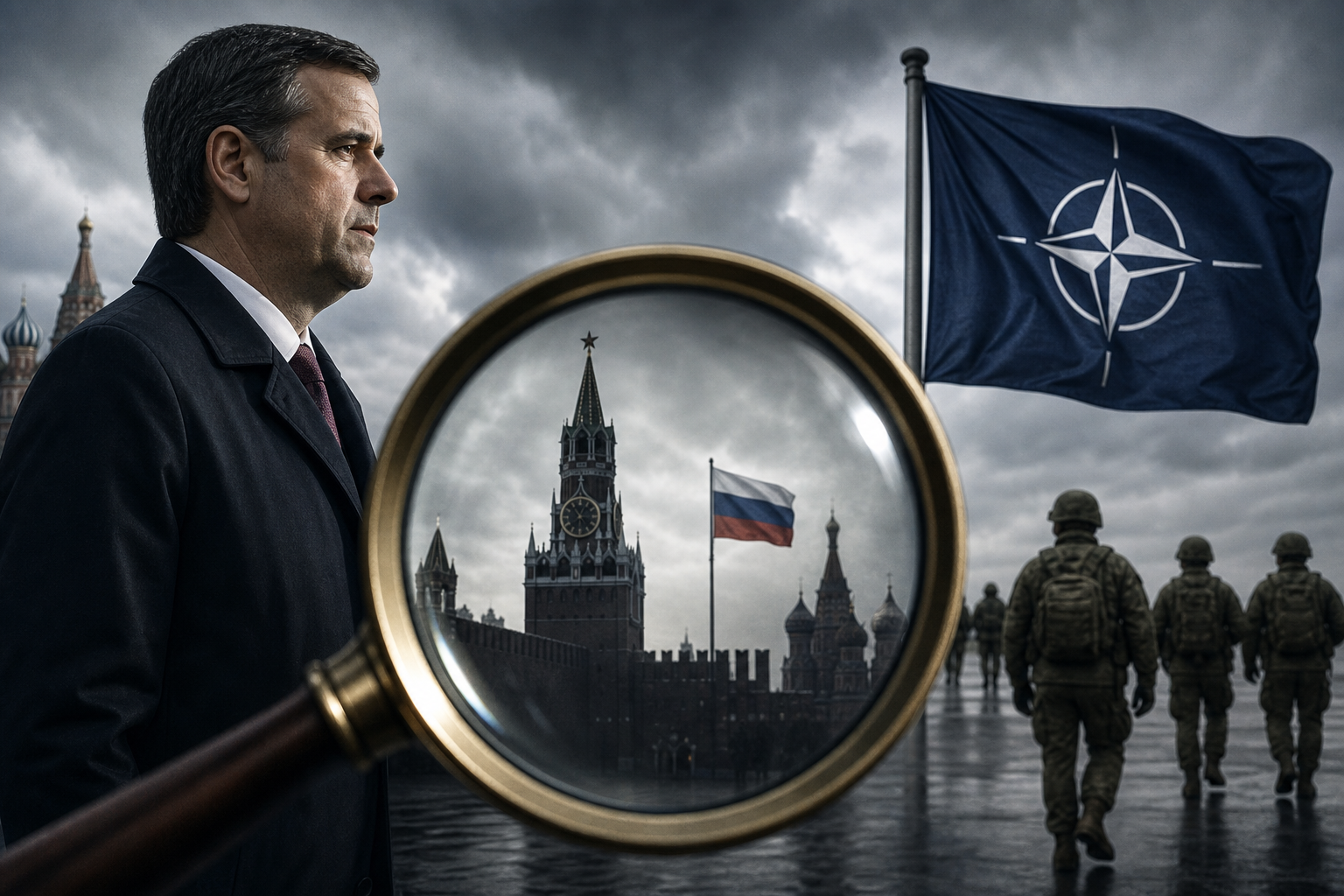
Reported Moscow Warning Puts NATO Risk—and U.S. Commitment—Under Scrutiny
A reported U.S. warning to Moscow is running into the only test that matters: whether it is followed by public confirmation or visible action.
The Guardian, ABC News, and CBS News report that CIA Director John Ratcliffe traveled to Moscow and warned Russia not to attack NATO countries. But the source pack contains no official U.S. statement, transcript, or document describing the meeting. The claim is consequential; the public evidence behind it remains limited.
The Warning Is Reported, Not Yet Proven
Three outlets converge on the same core account: Ratcliffe made a secretive Moscow trip, and a warning against attacking NATO members was part of its purpose.
That convergence makes the report harder to dismiss as a single unsourced assertion. It does not establish the warning’s exact wording, who received it, how Moscow responded privately, or whether NATO allies were briefed.
For now, the distinction is crucial. A reported warning is not the same thing as a publicly confirmed U.S. commitment.
Moscow’s Public Response Adds Pressure, Not Clarity
The Kremlin dismissed U.S. media reports as “scare stories,” according to The Guardian. That is a direct public countermove, but not a detailed account of what happened in Moscow.
The backdrop is also tense. CNBC reports that Russia and Ukraine have intensified long-range drone and missile strikes. That gives the alleged warning real strategic context without proving that an attack on NATO is imminent.
The story should not be stretched beyond the evidence. The reports may describe routine high-level deterrence messaging, a sharper private caution, or an effort to manage wider escalation. The available record does not settle which.
Europe’s Troop Debate Is Part of the Credibility Test
The warning arrives as U.S. officials and allies discuss Europe’s defense responsibilities and potential U.S. troop cuts.
At NATO headquarters, Pentagon policy chief Elbridge Colby said Europe had made progress toward taking responsibility for its conventional defense, while adding that more work remained. He pointed to practical issues including access, basing, and overflight, and said Europe remained a critical U.S. interest.
Those details matter because deterrence is not only a message. It is a combination of stated commitments, military posture, and the ability to move forces when needed.
A private warning paired with reassurance, access agreements, or sustained force posture would point in one direction. A warning paired with reductions that allies view as weakening readiness would raise a different set of questions about credibility.
Claim, Countermove, Verification
This is the constraint on the headline: claims become durable only when they survive counterpressure and gain independent confirmation.
The claim is the reported Ratcliffe warning. The countermove is Moscow’s public dismissal. Verification would come from concrete evidence: an official account of the trip, corroboration of the message’s scope, or actions by the U.S., NATO, or Russia explicitly tied to it.
Until then, the narrow conclusion is clear. Multiple outlets report a U.S. warning to Russia over NATO, Russia has rejected the media account publicly, and the significance of the episode depends on what officials confirm—and do—next.